
Colab Conf: Become founder of innovation beyond contradictions
#Colab Conf: Become founder of innovation beyond contradictions
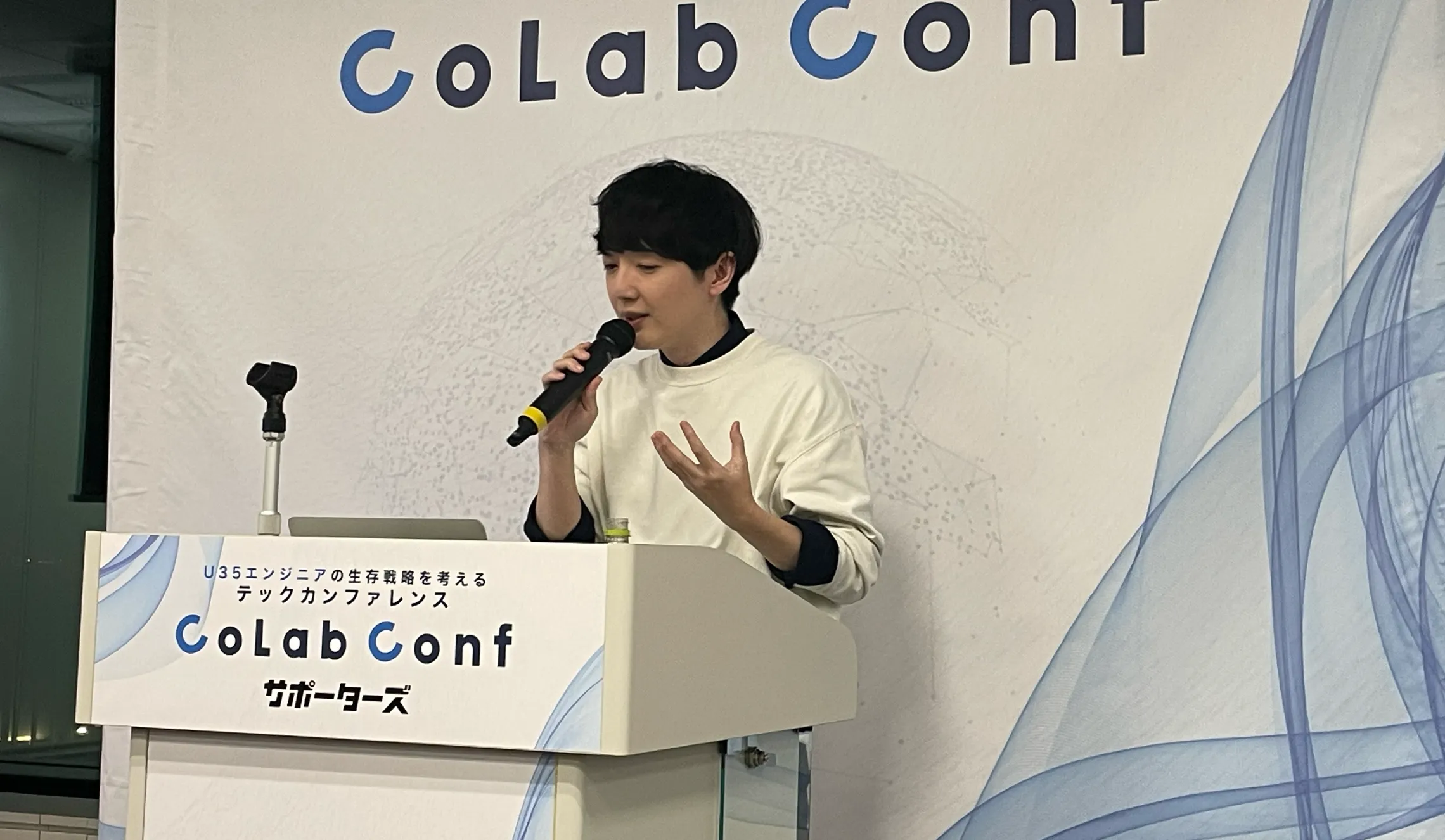
In this talk, vaaaaanquish explores how engineers can go beyond the traditional boundaries between “feature builders” and “product builders.” The goal is to think about engineering not just as implementation, but as a way to truly create innovation, and to offer insights that participants can take back to their own work.
vaaaaanquish
We are vanquish.
#Who Is vaaaaanquish?
Vaaaaanquish is currently a VP of Engineering at M3, where he works on what he describes as “management of management.” With over 20 years of development experience—starting from programming in middle school—he has built software across domains ranging from machine learning to package managers and developer tooling.
He is also one of the few Google Developer Experts (GDEs) in Machine Learning in Japan, a recognition earned through direct interviews with Google. Beyond corporate work, he has contributed to open source projects with thousands of stars, built operating systems for machine learning, and participated in international robotics competitions.
In short, his perspective is grounded not only in theory, but in long-term, hands-on creation.
#聞くエンジニアType
今いるメンバーの成長だったりとか、いかにしてより良いイノベーションを作っていくかというところに時間を割いているのですけれども、 個人の活動としてはこういうポッドキャストを聞くエンジニアタイプというやつをやっておりまして、 今日、さっき登壇して裏番組になったんですけど、ルビーノ・マッツとかティー・ワーダー・ジョグラインとか業界内で行って何の知れたいエンジニアとかグローバルカンパニーで働いているエンジニアを呼んできて、 その人がどういうタイミングで成長して、その時どういうことを考えていたのかというのを深掘るポッドキャスト。 もうこれ100回以上やっているので、こういったことも活動していて、エンジニアリング自体も私は好きなんですけど、 究極的には良いエンジニアはどうやって生まれるのかとか、そういったところも含めてエンジニアリングだと思っていて、 そういったところについて考えるのが好きな人ですと。そういった議論もブースでもできるので、ぜひやりましょうというところなんですけど。
聴くエンジニアtype - エンジニアtype | 転職type
エンジニアtypeが運営する音声コンテンツ『聴くエンジニアtype』の内容を書き起こし! エンジニア読者が抱える仕事やキャリアのお悩みに、注目企業のCTOやさまざまな領域の第一線で活躍する技術者が回答します。
#Learning Engineers and the Question of Growth
Outside his primary role, vaaaaanquish runs a long-running podcast series focused on engineers who listen deeply and think critically about their own growth. In over 100 episodes, he has interviewed well-known engineers—from global tech companies to industry leaders like Ruby’s creator—exploring pivotal moments in their careers and the thinking that shaped them.
Through these conversations, he has become increasingly interested in a deeper question:
How are great engineers actually born?
This curiosity sets the stage for the central theme of the talk: defining “excellence” in software engineering.
#What Does It Mean to Be an Exceptional Software Engineer?
“Exceptional” can mean many things. In this talk, vaaaaanquish intentionally narrows the definition.
An exceptional software engineer, in his view, is someone who:
- Creates things that change how people think
- Brings unknown ideas into the world
- Introduces concepts, tools, or systems that redefine what feels “obvious”
Examples include programming languages like Ruby, frameworks like React, and methodologies such as Agile or Test-Driven Development. These did not merely optimize existing workflows—they shifted values and norms.
Importantly, this is not a standard everyone must pursue. The software industry thrives because of its diversity. Instead, the goal is to understand and respect how exceptional engineers think, and to absorb what resonates.
#The Spirit of “Being on the Side of the Creator”
One recurring trait among exceptional engineers is a strong identity as a creator.
Many engineers have experienced this moment:
- Documentation is missing
- A library almost does what you want, but not quite
- A product works, but could be significantly better
At that crossroads, people diverge.
Some give up and choose an alternative. Others decide to move to the “creator side”—becoming contributors, maintainers, or founders. In open source, this might mean becoming a committer. In companies, it may mean reshaping internal rules, processes, or systems.
Exceptional engineers do not stop at pointing out problems. They move toward ownership.
Even more importantly, when they give, they do not merely supply value—they expand it. They aim to change the underlying concept so that everyone, including themselves, benefits more deeply.
If you want to move toward excellence, vaaaaanquish argues, you must consistently choose to stand on the side of those who build.
#The Spirit of Doubt
Creation begins with doubt.
Exceptional engineers are constantly asking:
- “Is this really correct?”
- “Is there a better way?”
- “Will this still be right one year from now?”
This skepticism applies not only to existing systems and popular tools, but also to their own work. Even something that feels like the “ultimate solution” today is open to re-examination tomorrow.
Crucially, this is not cynicism. It is a refusal to be satisfied with temporary correctness. This restless questioning is often what allows people to break through to the next layer of innovation.
#The Spirit of the “Future Customer”
Pure skepticism, however, can easily turn into negativity. No one enjoys working with someone who only criticizes.
So how do exceptional engineers balance doubt with creation?
The answer lies in how they think about users—not just today’s users, but future customers.
Even when a tool or trend feels wrong, if many people are drawn to it, that attraction itself signals something important. Somewhere within that popularity lies a real unmet need.
Exceptional engineers:
- Doubt current solutions
- Respect the people who are drawn to them
- Believe that a better answer can change those users’ values in the future
They even treat emotions often seen as “negative”—envy, frustration, desire for recognition—as signals of unresolved problems. Where strong emotions gather, there is often fertile ground for innovation.
The key is balance. Negation without respect leads to isolation. Affirmation without doubt leads to stagnation. Excellence lives in the tension between the two.
#The Spirit of Solving with Software
Vaaaaanquish strongly encourages engineers to experience many forms of “making”:
- Teaching others
- Writing documentation
- Designing organizational systems
- Managing teams
- Participating in hackathons
- Even learning crafts like bonsai or sushi-making
All of these activities deepen one’s understanding of how people create value, face constraints, and struggle with real-world problems.
However, there is a critical final step.
Engineers must always return to software.
No matter how much inspiration you gather from talks, conversations, or communities, it only becomes meaningful when you translate that energy into code. Frustration, curiosity, dissatisfaction, excitement—can you inject them into software and turn them into something tangible?
That translation is the hardest part. And it is also where software engineers are uniquely powerful.
#So, What Is an “Excellent” Engineer?
When asked directly what makes an excellent or capable engineer, vaaaaanquish avoids a simple definition. Being a “good employee” and being a “good software engineer” are not the same thing.
However, one common thread stands out:
The ability to create and control feedback cycles.
Software’s greatest strength is its fast iteration loop. Compared to fields like construction or organizational reform, software allows engineers to:
- Build
- Observe feedback
- Improve
- Repeat
Engineers who understand this deeply—and who actively design their environments to accelerate these cycles—are consistently strong.
Being a creator and leveraging the unique agility of software: these are enduring traits of excellent engineers.
#質問
盆栽教室や寿司職人はどのような課題を持っているか
こんなこと言っていいのかな? 金回りですね。 盆栽教室ってどうやって成り立てるかというと、 盆栽のファンだったりとか、 最近若い、例えば机の上で桜を育てられますみたいな盆栽ってあるんですね。 カジュアル盆栽みたいなやつ。 こういうので徐々にファンが広がってきてるんですけど、 やっぱりそれはニッチな層だし、 そこに対してソフトウェアエンジニアが、 ソフトウェアエンジニアリングのかなり有意な属性って、 スケールさせられることじゃないですか。 このスケール性と噛み合いが悪いんですよね。 だからニッチだったり、 課題はあるんだけれども、 それをビジネスとか事業として展開できないから、 ずっと解決されないということが、 これはなんでしょうね。 私は盆栽に本当に面白いと思っているから、 リスペクトがある上で、 課題だなと思っているところだなと思います。 でもソフトウェアの力って、 もっと言うと、 お金を集めてくるところもできると思っている。 つまり、 例えば盆栽一つ取っても、盆栽を販売するプラットフォームだったりとか、 それをよりよく広く世の中に知らしめるための方法も ソフトウェアな気がするし、 その結果として職人が持っている課題、 例えば、 天候の管理とかにめちゃくちゃ厳しいんですよね。 とか、 一つ一つの盆栽が育つまでの時間がすごく長いので、 その一つ一つをちゃんと管理していないと、 どれがどれか分からなくなるみたいな話はあんまりないんですけど、 管理が大変みたいな話は常にある。 これを、 私、途中で言った、 ギバーじゃなくて、拡大するギバーみたいな概念ですね。 業界を拡大させるということを同時にやりながら提供することができれば、 この課題も解決できるというのは思っているので、 そういうことをできるエンジニアが増えてほしいと思っているし、 皆さんもそういう、もうちょっと目の前の課題に対して、 もうちょっと広げる方法ってないのかな、みたいなことがあるといいんじゃないかなと 日々思っております。
優秀なエンジニアとはなんですか?
卓越性みたいな話だけに 効果して分解したので 今日の話も一部かまさっているところもあるし そうじゃない部分もまずあるし 優秀さっていうところも 定義が難しいなと思います いい社員みたいな いい会社員といいソフトウェアエンジニア 優秀なソフトウェアエンジニア自体は 交わってるようで交わってないんで 優秀なソフトウェアエンジニアって何? みたいなやつは結構難しい質問だなと思っています ちゃんと答えられるように 本当は分解しないといけないなと思うんですけど 一つやっぱり今日の発表から引用して言えることがあるとすると 作り手であるっていうところ ここは共通してやっぱりあるかなと思います 改善サイクルみたいなものを 自分で作れることっていうのが ソフトウェアエンジニアの一つ 魅力的な部分だなと思うんですよね いわゆる例えば家を建てる一つとっても 家って一回建ててそれを回収して サイクルを回していくわけですけど 期間が長くて そのフィードバックを実際に それが良かったか悪かったか得られる間の期間が長い マネジメントとか会社を作るとかもそうで すごく多くの物事とか 何か他の作り手と比較したときに ソフトウェアが良いことって スパンが短くアジャイル的に いろんなことができることが多いんですよね 多くの場合 例えば組み込みのソフトウェアとかで ハードが関わっててとかだとまたちょっと違うんですけど 例えばウェブの世界とかだと フィードバックサイクルの速さっていうのは 一つ私は価値に感じているというか 楽しい部分でもあり 重きを置くべき部分だとも思っているので ここを理解して いかに早くサイクルを回して その環境を作れるかみたいなことに 注力できるエンジニアはやっぱすごいな 私は優秀だなって共通して思うので 作り手になるっていうところと 優秀っていう意味だと ソフトウェアエンジニアリングの特性 さっきのフィードバックサイクルの速さとか アジャイル性みたいなものを 理解している人は強いなってやっぱ思います